Subtropical conditions in South Florida generate severe, persistent foraging patterns inside residential structures. An ant colony elimination service differs fundamentally from temporary surface spraying. Standard…
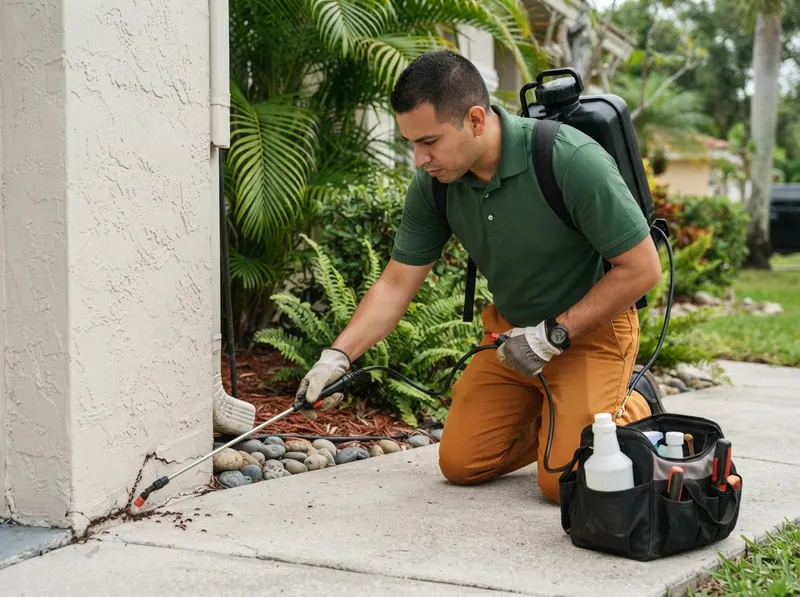
Subtropical conditions in South Florida generate severe, persistent foraging patterns inside residential structures. An ant colony elimination service differs fundamentally from temporary surface spraying. Standard insecticide sprays scatter budding colonies, such as Tapinoma melanocephalum (ghost ants), triggering reproductive splits that multiply satellite nests behind drywall, under subfloors, and within electrical conduits. CedarShield Exterminators deploys micro-dosed non-repellent transfer matrices guided by Integrated Pest Management principles, allowing sterile foraging workers to carry slow-acting compounds deep into the brood chamber to eliminate queens without contaminating interior living zones.
Miami properties face distinct biological pressures shaped by localized microclimates and foliage density. In Coconut Grove and Coral Way, heavy tree canopies allow Camponotus floridanus (Florida carpenter ants) to bypass foundation walls via overhanging limbs, excavating nesting galleries inside moisture-compromised structural wood without actually consuming the cellulose. Coastal high-rises in Brickell and Edgewater experience severe vertical trailing through utility chases, where Pharaoh ants establish polygyne supercolonies inside plumbing wall cavities. In Little Havana, Allapattah, and Overtown, historic slab-on-grade construction often conceals extensive white-footed ant populations that utilize roofline gaps near citrus vegetation for structural access.
Decision-fit considerations center on structural longevity and household safety. Homeowners managing indoor domestic animals or sensitive indoor greenery benefit from botanical perimeter treatments and structural void injections rather than broad indoor broadcast applications. If a property displays foraging workers trailing along baseboards, a targeted liquid bait system is indicated; if structural frass and hollowed wood appear near windows, localized injection into structural voids is required. The trade-off between broad sprays and targeted colony elimination is duration versus permanence: broadcast repellent sprays offer immediate contact knockdown but fail within 14 days under Miami's 85% relative humidity, whereas systemic baiting requires 7 to 14 days to fully extinguish the reproductive brood but prevents seasonal re-infestation.
Every job gets a firm, written price after a free on-site visit.
For standards, safe disposal, and service guidance on pest control services in Miami, FL, useful references include U.S. EPA, ENERGY STAR, U.S. Dept. of Energy, Consumer.gov, U.S. Census Bureau, and Google Maps. General consumer and small-business resources are available from USA.gov, Better Business Bureau, FTC Consumer Advice, U.S. Small Business Administration, and Ready.gov.
Tell us about your ant colony elimination service job in Miami and we'll send a clear, written quote, usually the same day.
 CedarShield Exterminators