Property owners searching for professional pest control services in Miami encounter extreme environmental pressures driven by year-round humidity, porous limestone soils, and dense coastal heat. CedarShield Exterminators delivers targeted structural defense and low-toxicity perimeter treatments engineered specifically to neutralize active South Florida pests without saturating living spaces in persistent chemical aerosols.
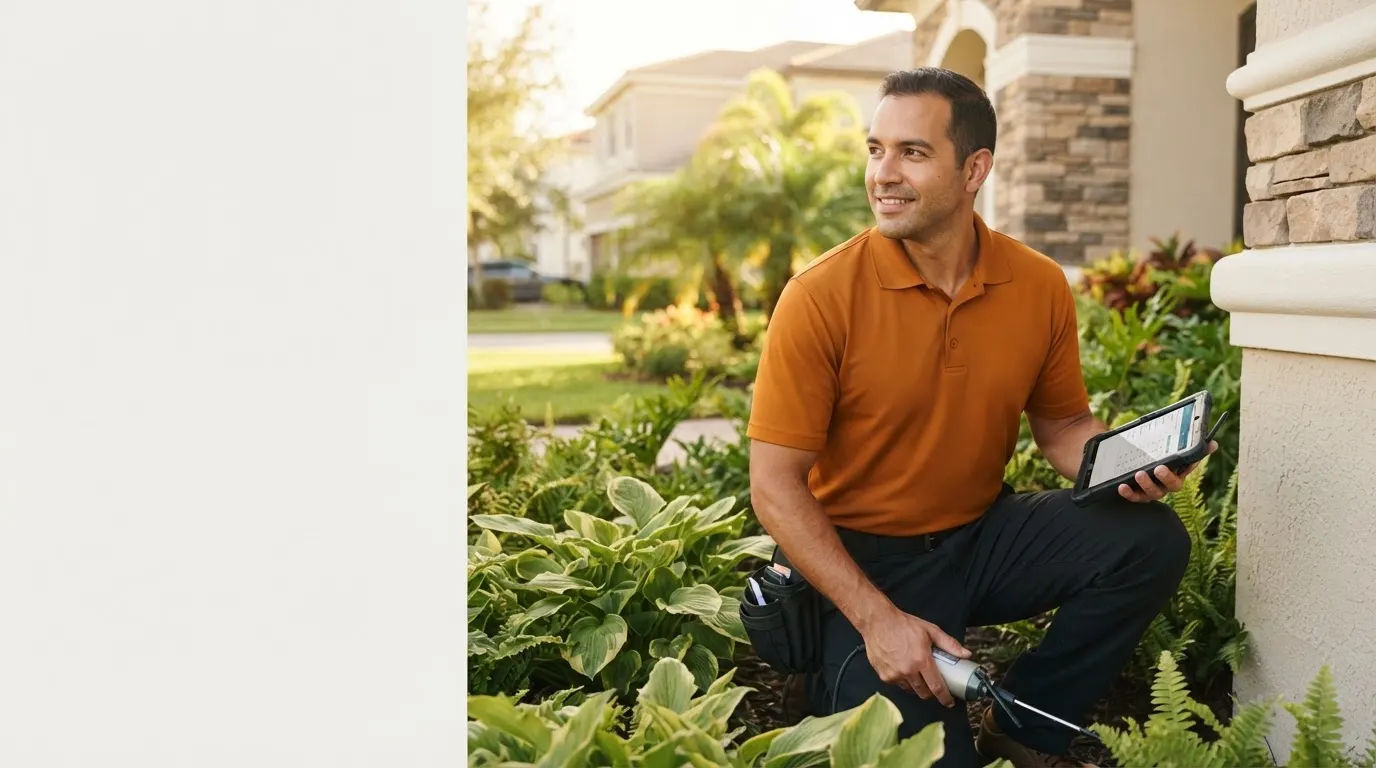
Pest control services in Miami comprise systematic property inspections, localized botanical applications, and structural barriers designed to suppress subtropical insect colonies and rodent populations across coastal urban environments.
Every service reflects the same meticulous attention to detail, whether it's a single job or a larger pest control services project across Miami.
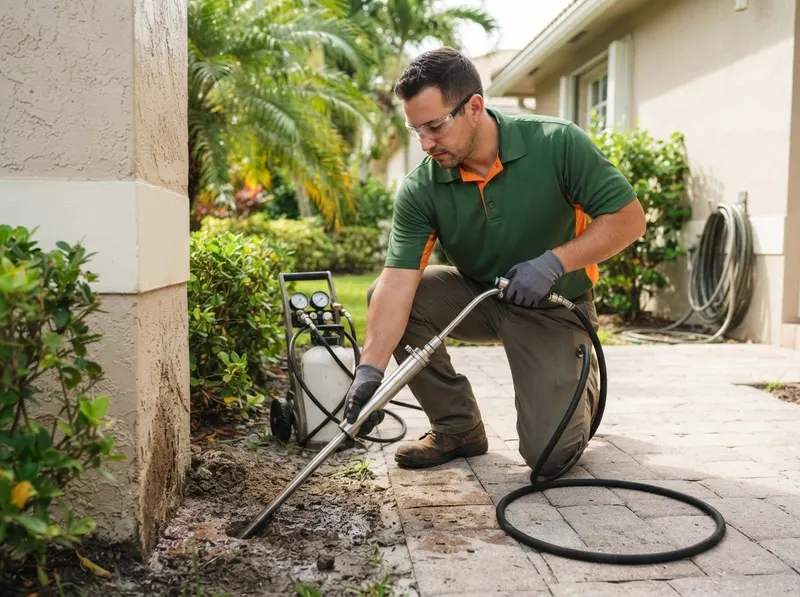
Subterranean termite soil defense focuses on intercepting Formosan and native subterranean species traveling through damp oolitic limestone soils before they breach building foundations. Field technicians apply non-repellent liquid termiticides, compliant with the Florida Department of Agriculture and Consumer Services , directly into foundation trenches and drilled slab penetrations. This invisible barrier transfers active agents throughout the underground colony via grooming behaviors, halting structural consumption of foundation wood framing.
Get a quote →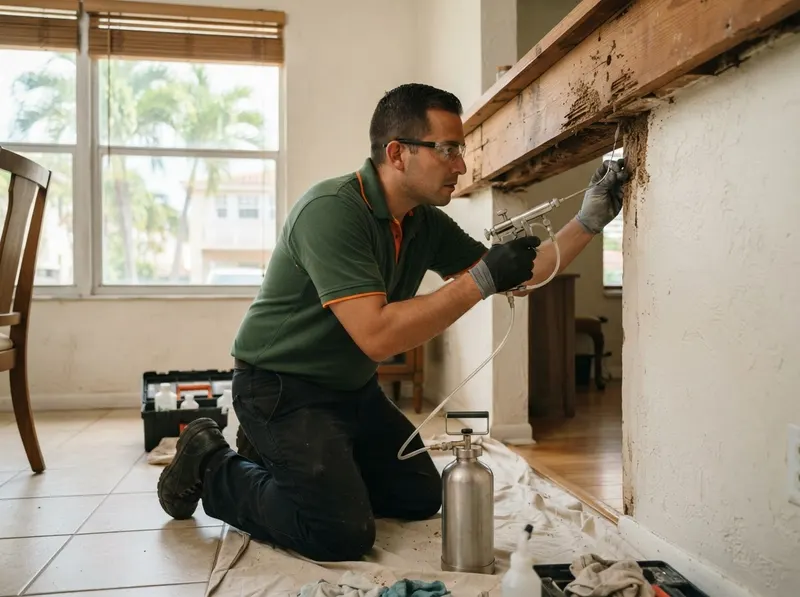
Drywood termite spot treatment eliminates localized colonies nested inside structural timbers, doors, attic framing, and custom cabinetry without tent fumigation. Technicians utilize fiber-optic borescopes and acoustic listening devices to map galleries, followed by micro-injections of stabilized sodium borate salts and low-toxicity insect growth regulators directly into infested wood chambers. This approach protects structural load-bearing studs while allowing families and domestic animals to remain safely indoors.
Get a quote →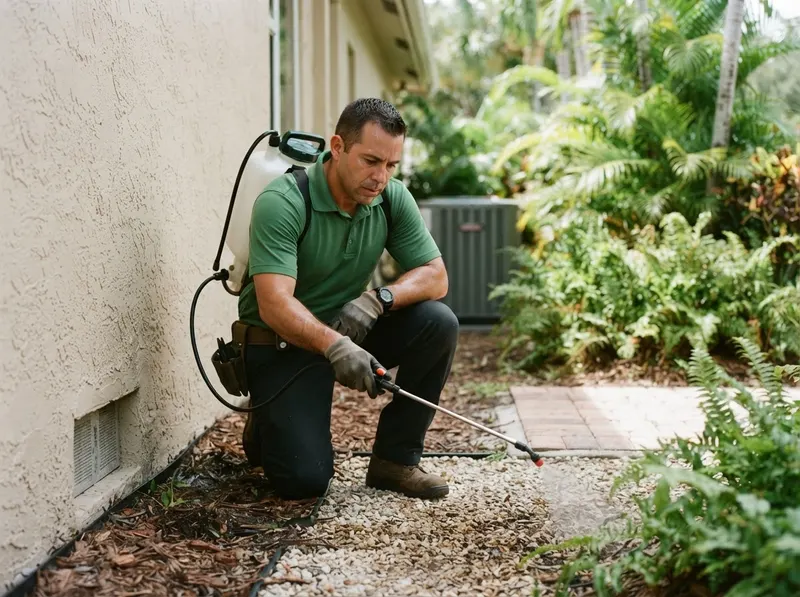
The botanical perimeter pest barrier creates a durable 6-foot protective exterior envelope around residential foundations, plumbing cleanouts, and exterior thresholds. Formulated with natural cedar oil fractions, thyme extract, and pyrethrin compounds derived from chrysanthemum plants, this treatment repels peri-domestic roaches, ghost ants, and spiders. It forms a resilient shield that withstands intense ultraviolet radiation and frequent convective afternoon downpours without washing chemical residues into local marine waterways.
Get a quote →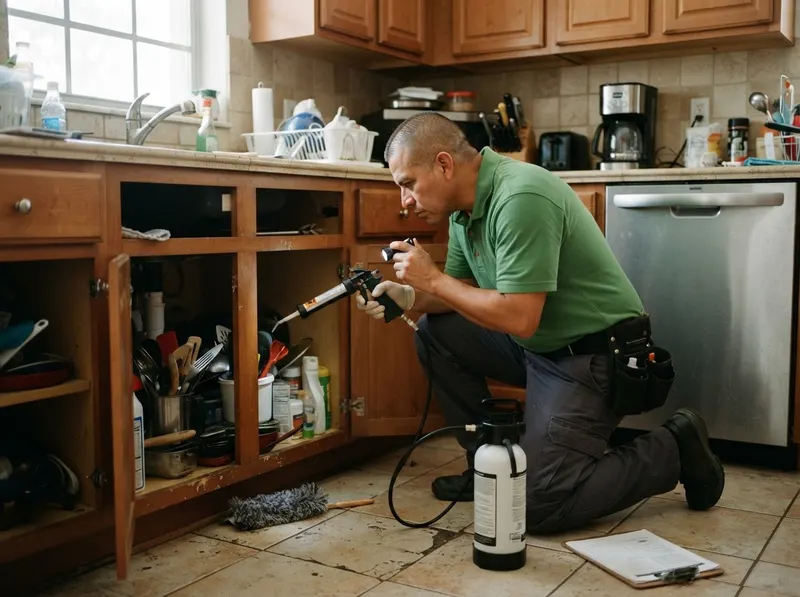
German cockroach cleanout programs target high-density kitchen, bathroom, and wall void populations that pose acute health risks via allergenic frass and bacterial tracking. Following safety guidelines from the U.S. Environmental Protection Agency , technicians deploy precision insect growth regulator (IGR) baits alongside target-specific abamectin gels in hinge points, appliance motors, and plumbing access panels, arresting nymph molting cycles and drying out breeding epicenters.
Get a quote →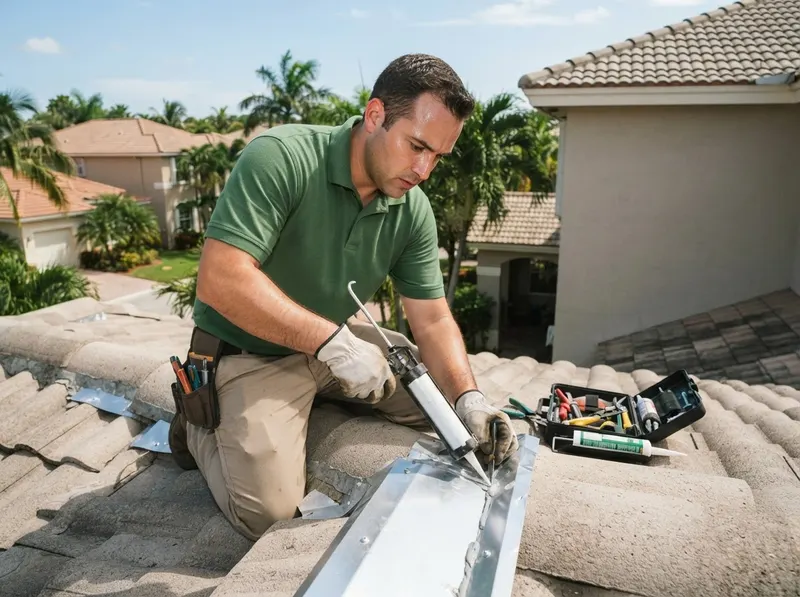
Residential roof rat exclusion eliminates structural rodent populations by sealing high-level building envelope breaches, fascia gaps, and Spanish barrel tile roof vents. After mapping attic highway paths through insulation, technicians install heavy-gauge galvanized steel mesh and structural sealants along rooflines. Interior trapping removes isolated rodents while preserving living spaces from contaminated droppings, following standards established by the Centers for Disease Control and Prevention .
Get a quote →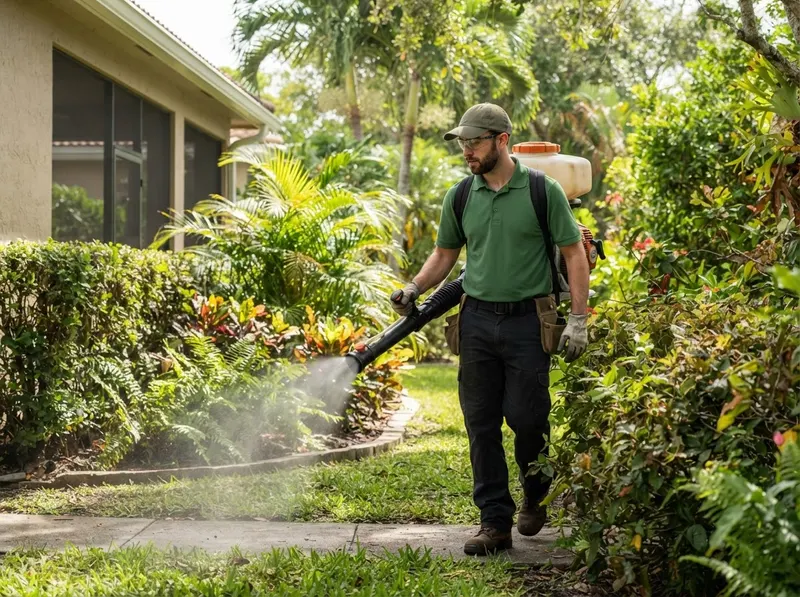
Mosquito reduction programs disrupt daytime harborages and standing water breeding sites in dense subtropical foliage. Technicians treat the undersides of broadleaf landscaping, bromeliads, and shady ornamental planting beds with targeted micro-encapsulated larvicides and botanical knockdown compounds. This targeted methodology limits vector mosquito activity while adhering to environmental safety measures outlined by the U.S. Fish and Wildlife Service to prevent drift into beneficial insect habitats.
Get a quote →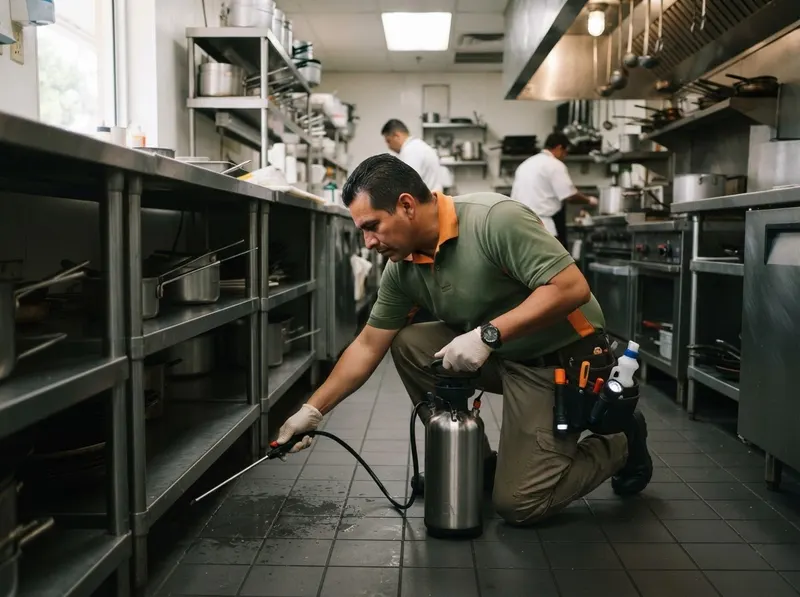
Commercial kitchen sanitation treatment delivers rigorous regulatory compliance and insect control for high-traffic food preparation facilities. Specialists apply high-temperature microbial foam solutions to break down organic drain grease, followed by the deployment of targeted bio-rational baits in baseboard gaps, walk-in coolers, and floor drains. This non-volatile strategy keeps commercial restaurants and dining spaces clean, fully compliant with structural standards from OSHA .
Get a quote →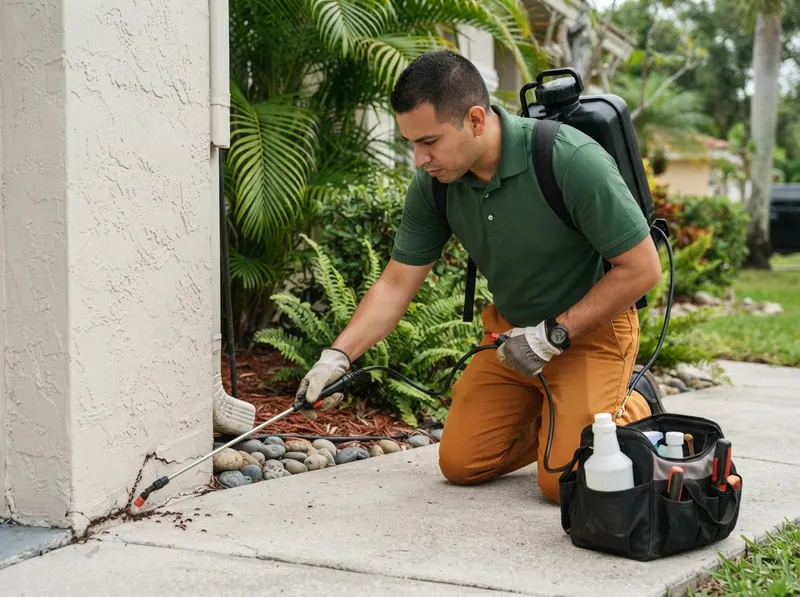
Ant colony elimination handles persistent infestations of ghost ants, big-headed ants, and carpenter ants nesting within exterior wall voids, patio pavers, and expansion joints. Technicians conduct species-specific baiting utilizing slow-acting borate and fipronil formulations designed for worker ants to ingest and transport directly to deep queens. This halts colony buddings caused by improper store-bought surface sprays and provides long-term nesting disruption.
Get a quote →You get a firm, itemized quote for your pest control services before any work begins, no surprises, no pressure.
Careful prep, tidy work, and a full cleanup when we are done. We treat your home and belongings like our own.
The same trusted, background-checked team from the first call to the final check.
Selecting appropriate pest defense depends entirely on the biological classification of the pest, the construction materials of the building, and immediate occupancy requirements. If subterranean termites or aggressive German cockroach infestations are actively expanding inside interior wall voids, choose comprehensive liquid termiticide barriers or targeted growth-regulator micro-dust applications; if standard nuisance invaders like ghost ants, silverfish, or perimeter millipedes are entering around windows and exterior thresholds, choose exterior botanical barrier maintenance. The functional trade-off centers on intervention depth versus structural footprint: invasive subterranean barriers require trenching around concrete footings and structural foundation slabs, whereas exterior botanical programs treat superficial migration paths without altering soil strata.
For structural wood-boring insects, if localized drywood termite frass appears along specific crown molding or exposed rafter tails, choose precision thermal or localized borate injection methods to keep human occupants inside the residence; if structural infestations have deeply penetrated concealed, inaccessible structural framing across a multistory property, structural fumigation remains the necessary alternative despite mandatory 48-to-72-hour property evacuations. For rodent control, if structural droppings appear in ceiling spaces, physical exclusion and attic sealing must precede exterior baiting; exterior bait stations alone will not stop established roof rats from utilizing exterior palm fronds to gain attic access. Balancing immediate knockdown against chemical persistence is critical: botanical repellents prioritize indoor air quality and pet safety near living quarters but require consistent 60-to-90-day reapplications under intense Miami rainfall, whereas concentrated non-repellent structural formulations last significantly longer in exterior soils but require precise, licensed subterranean placement.
Every project gets a firm, written price after a free on-site visit. Ranges below for orientation.
Tell us about your pest control services job and we'll send a clear, written quote, usually the same day. Or just call and talk to a real Miami pro.
(786) 947-6281
Miami's unique coastal geology presents extraordinary challenges for structural pest defense, particularly where historic porous coral rock foundations meet modern high-density construction. In neighborhoods like Coconut Grove and Coral Way, extensive subtropical tree canopies allow roof rats and drywood termites to bypass ground barriers and land directly on roof trusses. During the sustained June-through-October rainy season, high water tables across Allapattah and Little Havana rapidly dilute conventional pest barriers, requiring micro-encapsulated formulations and precise structural exclusion methods to maintain reliable residential protection.
Free estimates for Miami & the surrounding area.
For standards, safe disposal, and service guidance on pest control services in Miami, FL, useful references include U.S. EPA, ENERGY STAR, U.S. Dept. of Energy, Consumer.gov, U.S. Census Bureau, and Google Maps. General consumer and small-business resources are available from USA.gov, Better Business Bureau, FTC Consumer Advice, U.S. Small Business Administration, and Ready.gov.
 CedarShield Exterminators